
Rising oil prices impact all markets
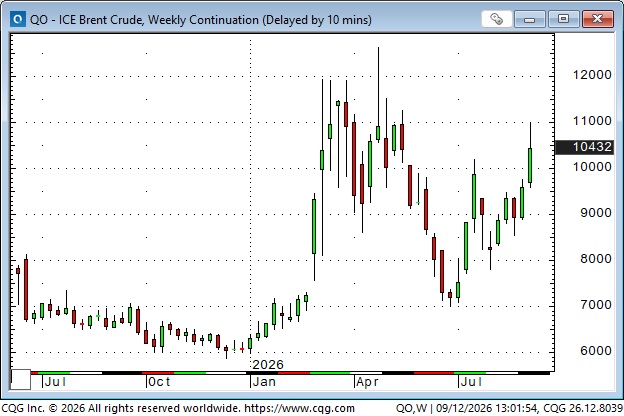
Front-month futures prices for both Brent and WTI rallied ~$20 from last week’s lows to this week’s highs. Crude oil prices have risen on 1) military escalations in the Middle East between the US and Iran, the Houthis and Saudi Arabia, and Ukraine’s attacks on refining facilities in Russia and 2) rising product prices, which have spurred Chinese refineries to buy crude oil aggressively.
Brent briefly traded at ~$110 this week for the first time since mid-May.
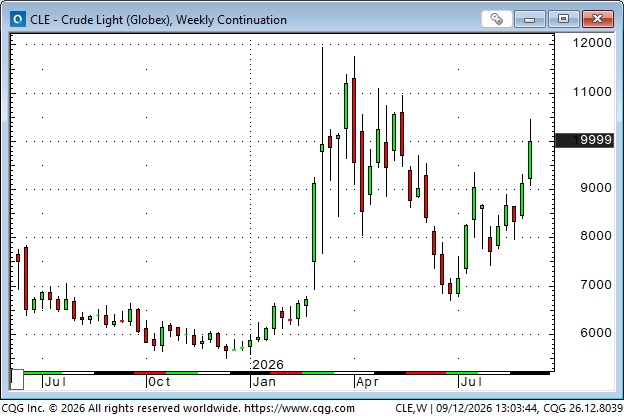
Front-month WTI traded above $104 this week for the first time since mid-May.
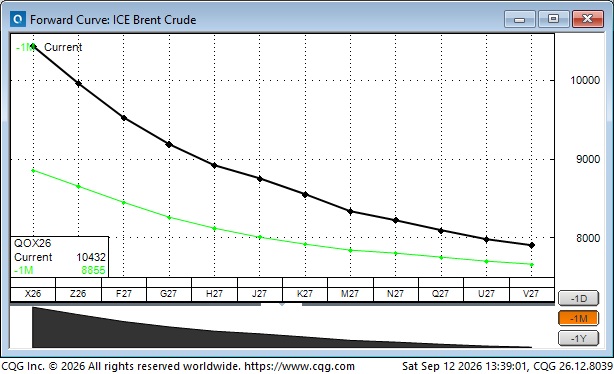
The current Brent futures curve (black) is much steeper than the month-ago curve (green), as nearby prices have risen more than deferred prices over the past month. (November 2026 Brent is up ~$16; 6-month forward Brent is up ~$6; 12-month forward Brent is up ~$3).
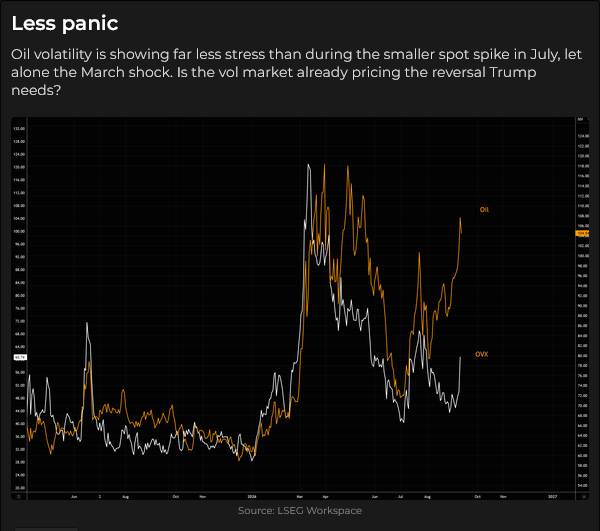
Crude oil options VOL exploded in March 2026 (white line against the gold line charting crude prices) but has been much more subdued over the past 3-week rally, even though crude prices are well above the July highs.
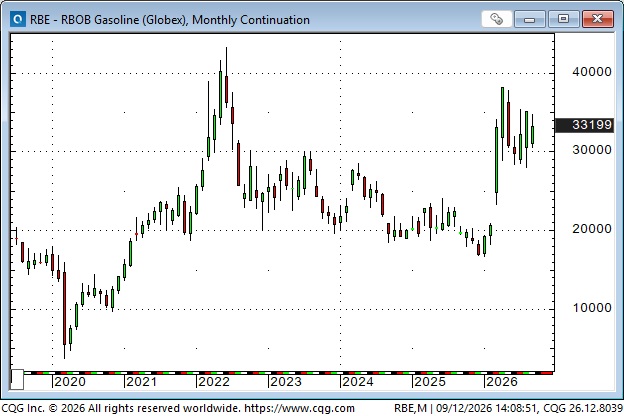
Front-month NYMEX RBOB gasoline prices have nearly doubled from the January lows, but are still below the record May 2022 highs made following the Russian invasion of Ukraine.
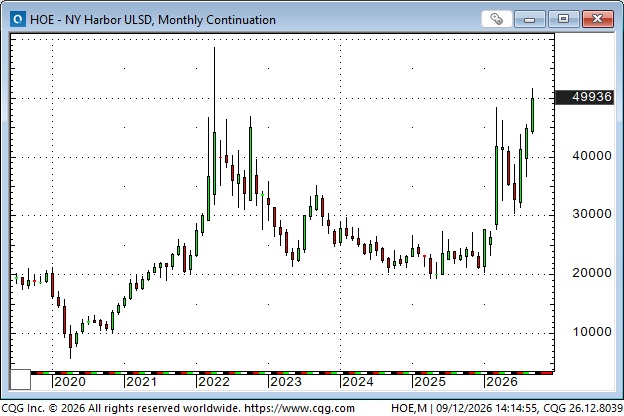
Front-month NYMEX Heating Oil (Ultra Low Sulphur Diesel) prices reached record highs above $5 this week (save for a 1-day spike in April 2022). The US national average roadside price of diesel reached a record high of $6 this week, while some stations in California advertised prices at $9.99. (In the USA, fuel accounts for up to 30% of food costs.)
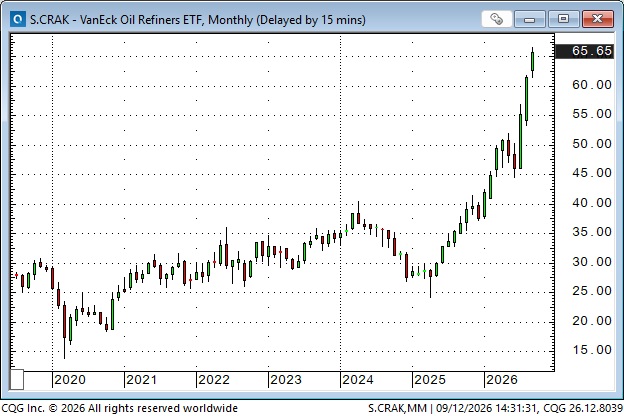
US crude oil refineries are running flat out, producing record amounts of gasoline, diesel, jet fuel and residual products. Profit margins are at record highs as military activity in the Middle East and Russia have reduced global refinery capacity. US refineries are exporting record, or near-record, amounts of refined product. Share prices of publicly traded oil refining companies have soared to record highs.
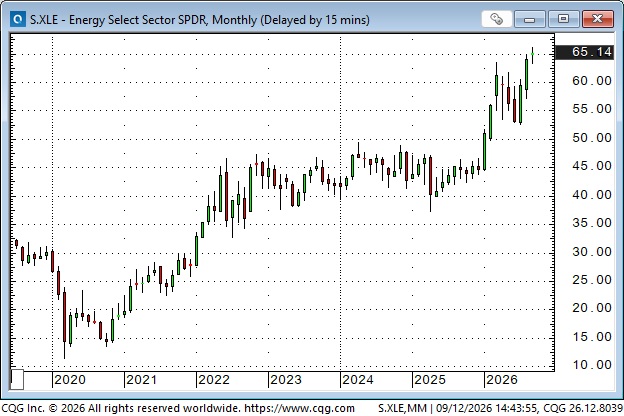
A popular ETF for publicly traded US oil companies, the XLE, is at record highs.
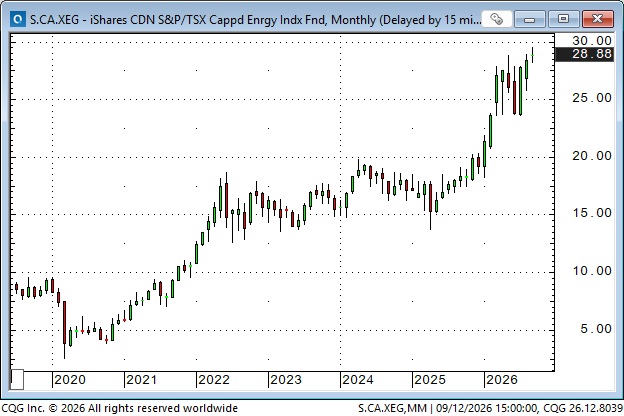
A popular ETF for publicly traded Canadian oil companies, the XEG, has reached the record highs made during the 2008 boom.
Polls, forecasts, and market expectations see Democrats winning control of the House in the midterms, with the Senate a close call. What will Trump do before the midterms to try to tip the odds in his favour?
I wonder whether Trump will demand US refineries limit exports of gasoline, diesel, and jet fuel to lower domestic prices before the midterm elections. He could argue that the US is already paying for the war with Iran and that other countries should pay their “fair share”. The oil companies would object, of course. Still, they might be persuaded that profit margins from higher export prices (due to lower supply) would offset lower domestic profit margins caused by higher domestic supply.
Natural gas
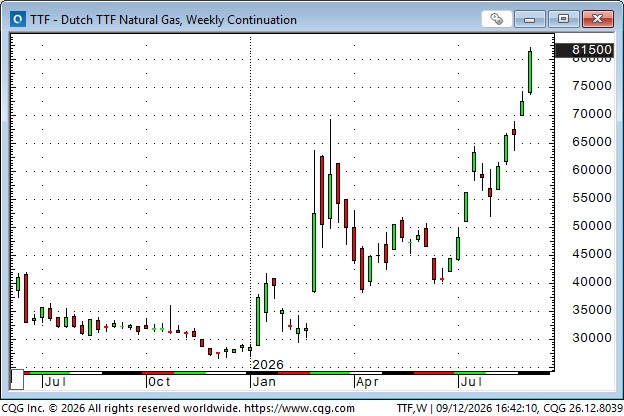
Dutch TTF prices continue higher this week (less chance of LNG cargoes from Qatar).
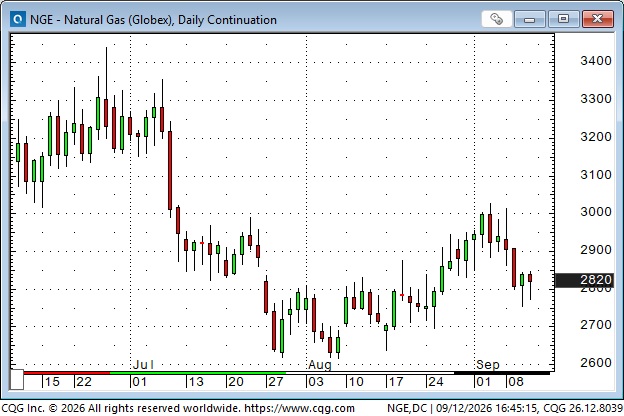
NYMEX prices were lower this week, as large speculators built an all-time-record net short position. (You’d think the “pull” from much higher prices in Europe and Asia would “lift” US prices. Apparently not).
Higher oil prices are partly responsible for higher inflation and higher interest rates
Following Friday’s headline CPI at 3.4% YoY, markets are now pricing a 50 bps increase in the EFFR before the end of the year, starting with a 25bps hike at the September 16 FOMC meeting. Markets are also pricing in 75 to 125 bps of increases from leading central banks (US, Canada, UK, Europe, Japan and Australia) over the next 12 months, with the BoJ hiking at least 25 bps on September 18.
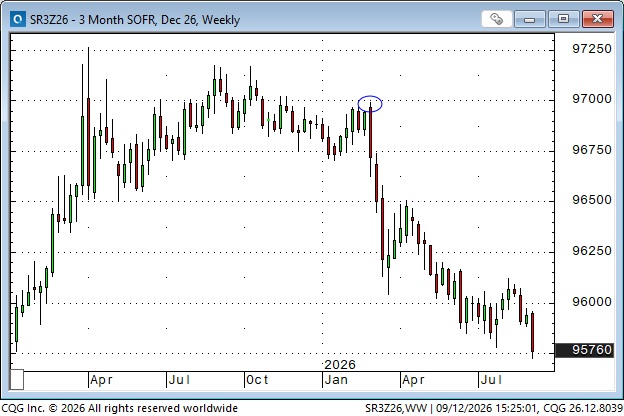
December SOFR futures were pricing a 3% rate (blue ellipse) before the start of the war in Iran and now price 4.25%.
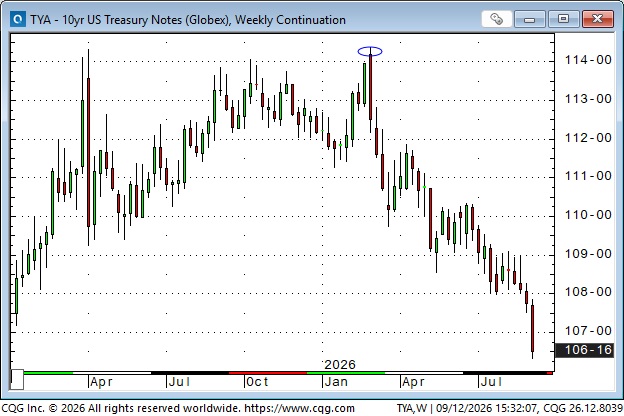
US bond futures have trended lower since the start of the war in Iran (blue ellipse), and have fallen in lockstep with rising oil prices over the past three weeks.
The cash market yield on the 10-year has risen from ~3.95% before the war in Iran to 4.98% currently.

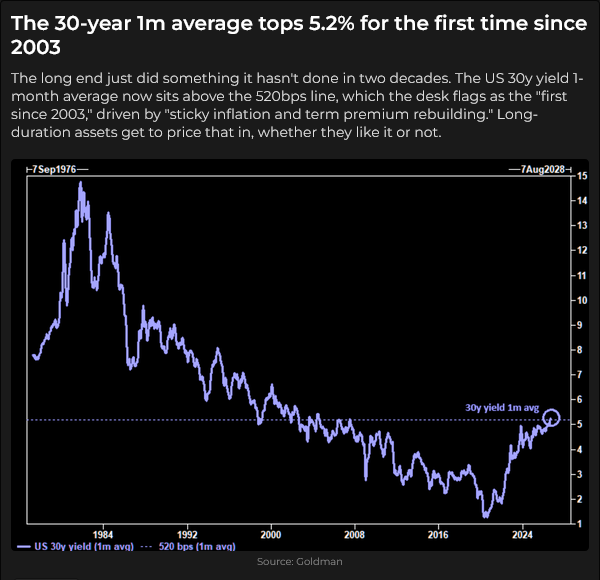
The 30-year bond yield of 5.38% is the highest in 19 years.
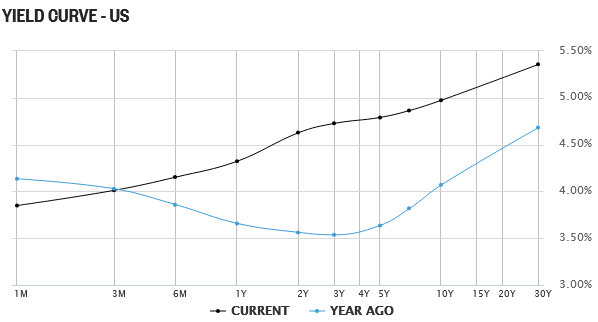
Bond yields fell back a bit on Friday after strongly bid auctions this week and on expectations that the Fed will raise rates next week, signalling action to contain inflation. If the Fed does not raise rates on Wednesday, I think bond yields will soar, and the USD will plummet (barring an unexpected truce between the US and Iran that causes a huge drop in oil prices).
Bond yields: bigger picture
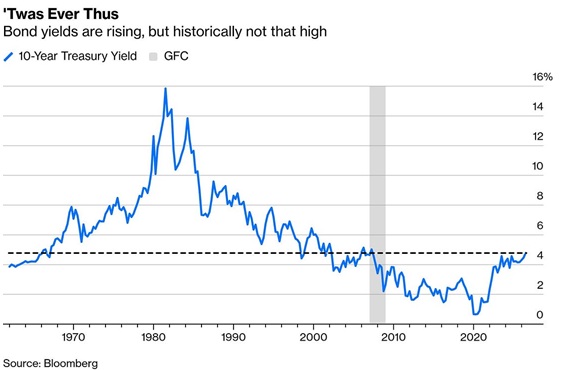
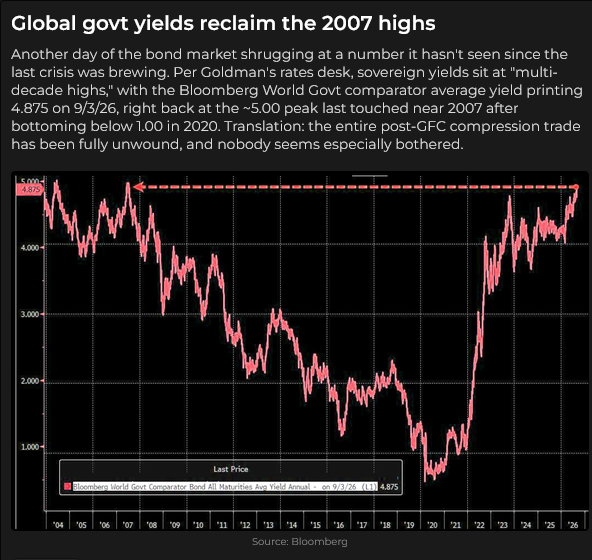
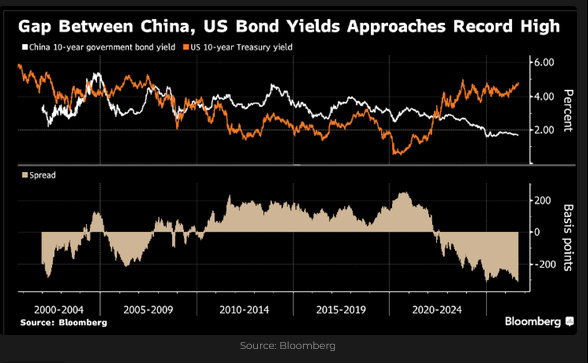
For 36 years, from 1966 to 2002, US 10-year yields were above current levels of ~5%. Over the past 6 years, US 10-year yields have trended higher from the historic lows of 0.50% made in August 2020, as the era of financial repression (GFC to Covid – remember zero interest rates?) was “unwound” and as global governments ran deficit fiscal policies, debasing the purchasing power of sovereign currencies, spurring higher inflation. Substantially larger corporate bond issuance also pushed yields higher over the past few years, while recent higher energy prices have been the “cherry on top” of rising interest rates. A contrarian might think it was time to buy bonds!
Stock indices
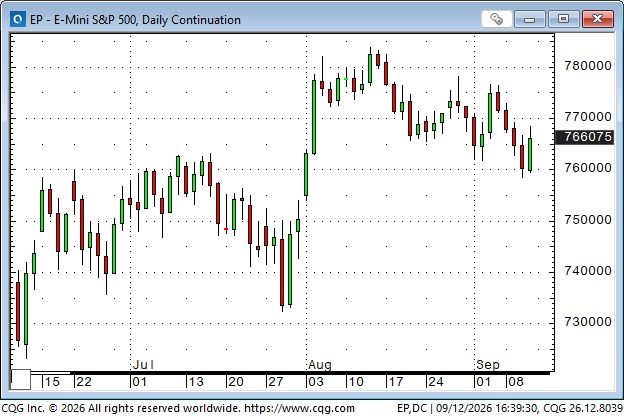
The S&P turned lower ahead of the Labour Day long weekend and continued lower from Tuesday to Thursday this week as higher crude oil prices, driven by military escalations, and higher bond yields weighed on prices. The market rallied back on Friday as crude softened and perhaps on a “cooler than feared” CPI report. Corporate buybacks will likely drop over the next few weeks as companies enter a “blackout” period ahead of Q3 earnings reports. Companies can resume buybacks after their quarterly reports.
Currencies
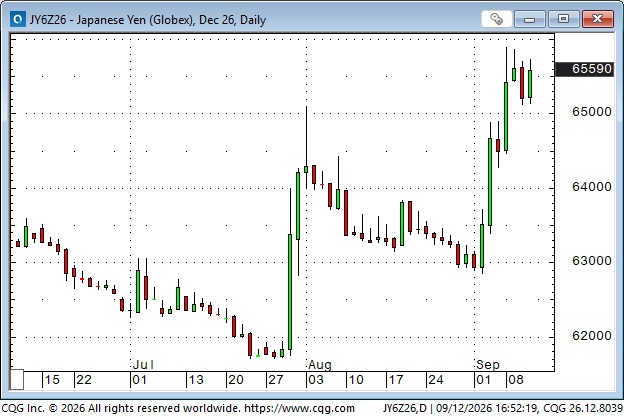
The Japanese Yen was higher again this week, up ~7% from the multi-decade lows reached in July – even as WTI prices have risen ~40% from the July lows! (Japan imports virtually ALL of their crude oil requirements).
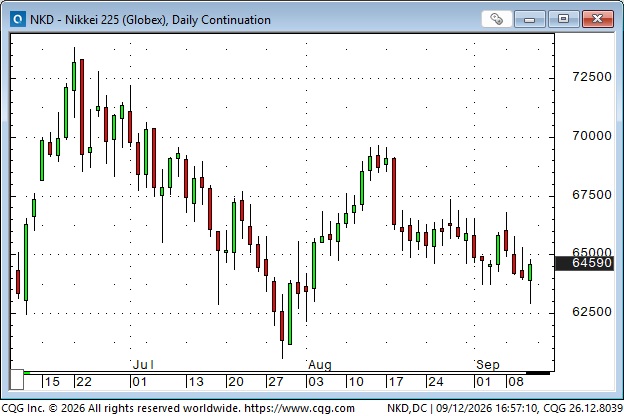
Higher oil prices and a stronger yen have weighed on the Nikkei.
The big question for the Yen: has repatriation started, following the official intervention? If so, Yen carry trades may also start (or continue) to unwind.
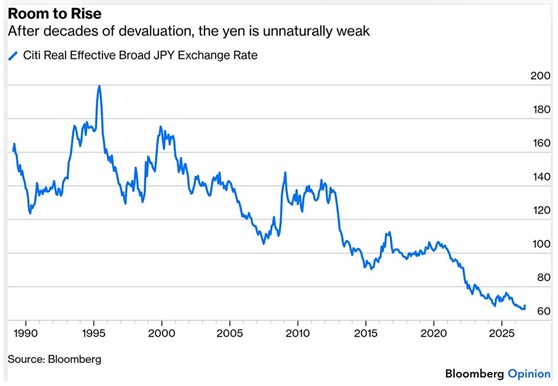
I’ve written a lot about a potential rally in the Yen after its exchange rate against the USD (and other currencies) fell by more than 50% from record highs in 2012. The following chart shows that the Yen’s Real Effective Broad Exchange Rate has been even weaker.
Copper
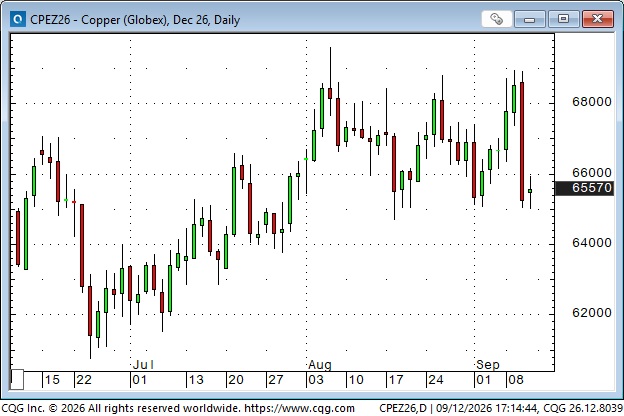
COMEX copper prices fell sharply on Thursday (down ~30 cents or ~4%) on a Reuters report that the US still hasn’t decided whether to tariff imports of refined copper. Physical imports of copper into the US drained overseas warehouses as traders front-ran possible tariffs. Large speculators on the COMEX built record-sized net long positions, and open interest soared to 28-month highs ahead of the Reuters report.
Quote of the Week
“The biggest source of confidence is success. Finding small wins leads to greatness. “
Dr. Gio Valiante, Performance Psychologist – to athletes and traders
Thoughts on Trading
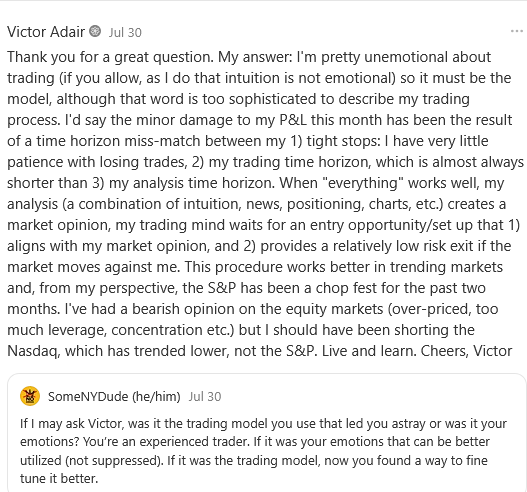
Here’s my answer to a question from a Substack reader about taking a small net loss on my trading in July. (I haven’t yet gotten around to posting my Trading Desk Notes on Substack, but I do use the platform to interact with other active traders.)
My short-term trading
I started this week short the S&P, a position I established last Friday when the market began to fall back after a swift 140-point rally on Wednesday/Thursday. I closed the trade for a decent profit near Wednesday’s lows this week when the market looked like it was about to take out last week’s lows, but didn’t. I was also happy to stand aside ahead of the PPI and CPI reports. I was flat going into the weekend.
The Barney report
Here’s a photo of Barney this afternoon. We’ve had two walks so far today (and will go out again after dinner), but he’s tired of waiting for me to finish writing these notes and has come over to my desk to say, “Hey Papa, let’s play ball!” OPPS! I’m locked out of my cell, can’t post that photo. Here’s an old favourite.

Listen to Mike Campbell and me discuss markets
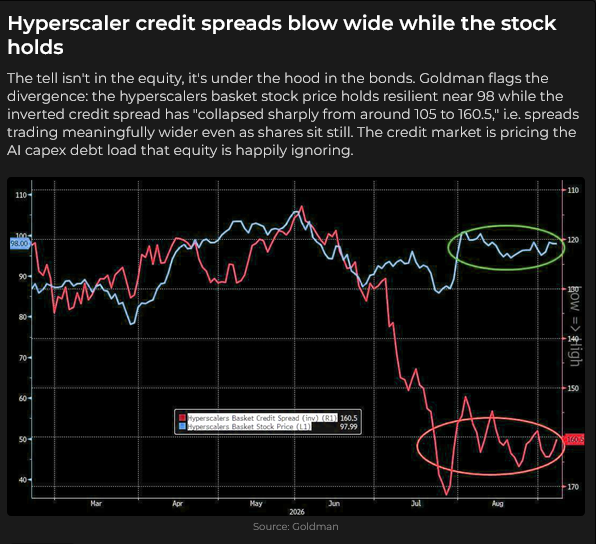
On this week’s Moneytalks show, Mike and I discussed how the surging price of crude oil is impacting other markets – especially the credit markets. You can listen to the entire show here; my spot with Mike starts around the 50-minute mark.

The Archive
Readers can access any of the weekly Trading Desk Notes from the past six years by clicking here.
Subscribe: You have free access to everything on this site. Subscribers receive an email alert when I post new content, typically four to six times a month.
Victor Adair retired from the Canadian brokerage business in 2020 after 44 years and is no longer licensed to provide investment advice. Nothing on this website is investment advice for anyone about anything.